Stainless Steel Water Storage Tanks – Durable, Hygienic, and Reliable Water Solutions
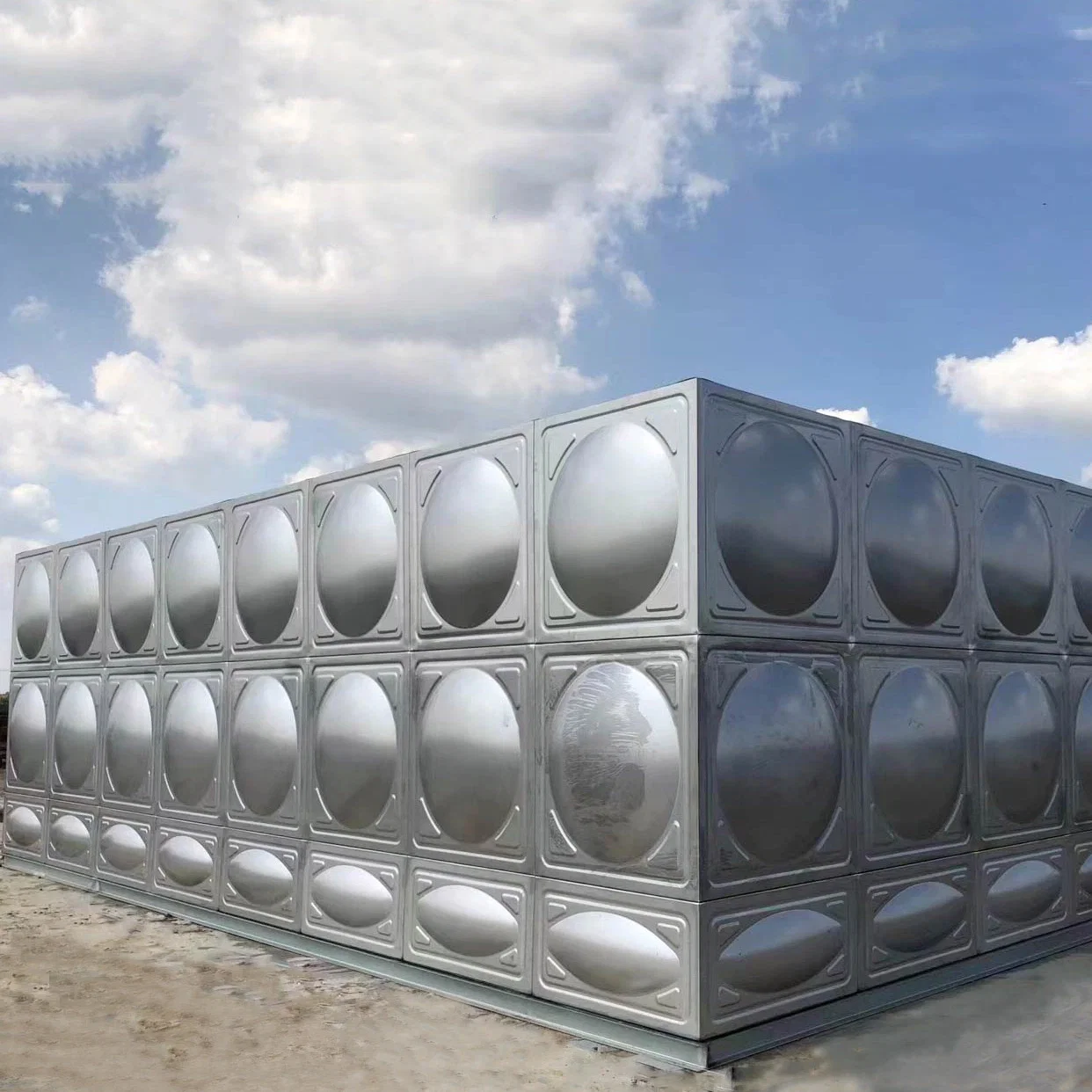
Water is an indispensable resource for human life, industries, and municipalities. Ensuring a clean, reliable, and sufficient water supply requires not only proper treatment but also safe storage. Among the various storage solutions available today, stainless steel water storage tanks have emerged as one of the most reliable, hygienic, and durable options. From residential buildings to large-scale industrial applications, these tanks offer unmatched benefits compared to traditional storage methods such as plastic, concrete, or mild steel tanks.
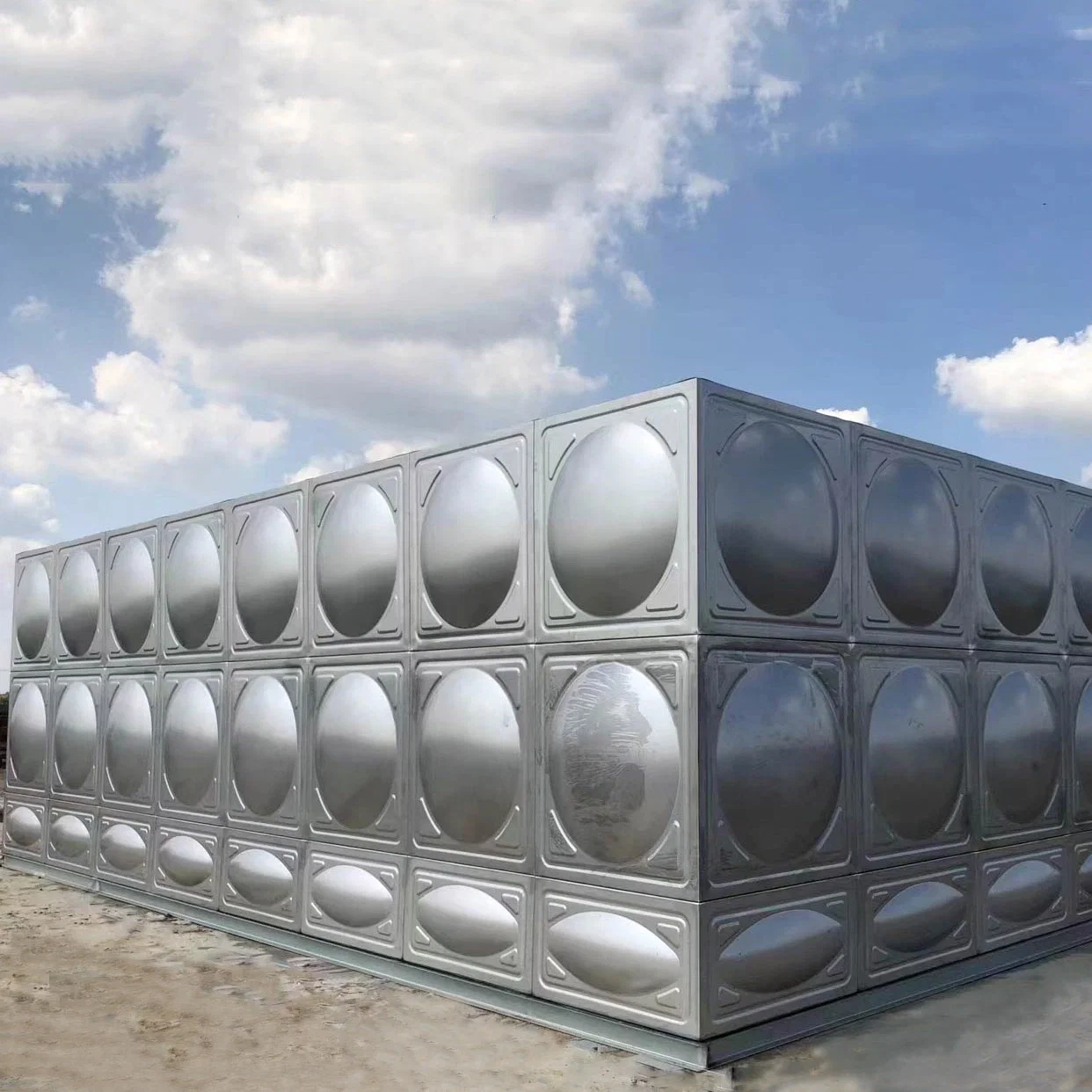
Understanding Stainless Steel Water Tanks
A stainless steel water tank is a container made entirely from stainless steel, commonly grades SS304 or SS316, specifically designed to store water safely and efficiently. These tanks can store potable water, process water, or even hot water depending on the installation requirements. Unlike plastic or concrete tanks, stainless steel is naturally resistant to corrosion, ensures hygienic storage conditions, and offers long-term durability.
Key Features of Stainless Steel Tanks
- Corrosion Resistance: Stainless steel resists rusting and chemical degradation, even in areas with high humidity or saline water.
- Hygienic Storage: The non-porous surface prevents bacteria, algae, and other microbial growth, ensuring safe drinking water.
- Temperature Tolerance: Capable of storing both cold and hot water without degrading or deforming.
- Durability: With minimal maintenance, stainless steel tanks can last 20 years or more.
- Eco-Friendly: 100% recyclable material, reducing environmental impact compared to plastic alternatives.
Types of Stainless Steel Water Tanks
1. Vertical Tanks
Vertical stainless steel tanks are cylindrical and upright, making them space-efficient, especially for rooftops or limited-space areas. These tanks are popular in residential buildings, hotels, and small commercial complexes. Their compact design allows for gravity-fed water systems, reducing the need for pumps in certain applications.
2. Horizontal Tanks
Horizontal tanks lie flat and are often used in industrial settings or areas with height restrictions. They are ideal for factories, workshops, and large storage areas where vertical space is limited. These tanks provide the same durability and hygienic benefits as vertical tanks but can be installed easily in low-clearance areas.
3. Modular/Panel Tanks
Modular tanks are built using interlocking stainless steel panels. These tanks are customizable in size and shape, easy to transport, and simple to assemble on-site. Modular tanks are especially useful for large-capacity storage or when retrofitting an existing site. The panels can be replaced individually if damaged, making maintenance more convenient and cost-effective.
4. Underground Tanks
Stainless steel tanks can also be installed underground to save above-ground space. Underground tanks are commonly used in commercial complexes, hotels, and industrial plants where maximizing surface area is essential. These tanks must be engineered carefully to withstand soil pressure and potential groundwater impact.
Advantages of Stainless Steel Water Storage Tanks
1. Superior Corrosion Resistance
One of the biggest advantages of stainless steel tanks is their resistance to rust and corrosion. Stainless steel contains chromium, which reacts with oxygen to form a passive protective layer, preventing the steel from oxidizing. This property ensures the water remains free from contamination while maintaining the structural integrity of the tank over time.
2. Hygienic and Safe for Drinking Water
Stainless steel tanks are non-toxic and do not leach harmful chemicals into water, unlike some plastics. The smooth, non-porous interior surfaces prevent bacterial and algae growth, making them an ideal choice for storing drinking water. Hospitals, schools, and residential complexes particularly benefit from this hygienic storage solution.
3. Long-Term Durability
These tanks are engineered to last decades with minimal maintenance. They can withstand environmental stress, including extreme temperatures, UV radiation, and even chemical exposure. Stainless steel is also resistant to impact and pressure, making it suitable for industrial applications or locations prone to harsh weather conditions.
4. Environmentally Friendly
Unlike plastic tanks, stainless steel is 100% recyclable. Choosing stainless steel over plastic reduces environmental waste and supports sustainable water storage solutions. Moreover, stainless steel tanks require fewer replacements, minimizing material consumption over the long term.
5. Low Maintenance
Stainless steel tanks are easy to maintain. Unlike concrete tanks that may develop cracks or plastic tanks that may warp, stainless steel tanks need only periodic cleaning. Their longevity and minimal maintenance requirements make them a cost-effective solution in the long run.
Applications of Stainless Steel Water Storage Tanks
Residential Use
- Rooftop Tanks: Ideal for storing water in apartments and houses, ensuring a continuous water supply even during municipal shortages.
- Backup Water Supply: Stainless steel tanks act as an emergency water source during interruptions in the main water supply.
Commercial and Institutional Use
- Hotels and Resorts: Stainless steel tanks store hot and cold water for guest rooms, kitchens, and pools.
- Hospitals and Schools: They provide a hygienic solution for potable water storage, maintaining strict water safety standards.
Industrial Use
- Manufacturing Plants: Used for process water, cooling systems, and fire-fighting reservoirs.
- Food & Beverage Industry: Ensures safe storage of clean water for production without contamination risk.
Municipal and Utility Projects
- Urban Water Storage: Stainless steel tanks are used for city water storage projects, especially in regions with challenging environmental conditions.
- Emergency Water Storage: They serve as disaster-resilient water storage solutions, ensuring a safe water supply during emergencies.
Capacity and Customization
Stainless steel tanks are highly versatile in capacity and design:
- Small Capacity: 500–5,000 liters, ideal for homes and small offices.
- Medium Capacity: 5,000–50,000 liters, suitable for commercial and industrial projects.
- Large Capacity: 50,000 liters and above, used in municipal, industrial, and emergency storage applications.
Customizations include shape, height, and installation type, allowing the tanks to fit seamlessly into rooftops, basements, or open grounds. Modular designs also enable easy future expansion.
Installation Guidelines
1. Foundation
- Ensure a strong and level concrete base capable of supporting the tank’s weight when full.
- Proper foundation prevents structural damage and water leakage.
2. Plumbing Connections
- Use corrosion-resistant pipes and fittings.
- Ensure proper sealing to prevent leakage.
3. Ventilation & Overflow
- Include overflow pipes and vent openings to manage pressure and prevent tank deformation.
4. Maintenance
- Periodic inspection and cleaning (every 6–12 months) to ensure water remains hygienic.
- Check for any leaks, cracks, or loose joints during maintenance.
Why Choose Stainless Steel Over Other Materials?
Material | Durability | Hygiene | Maintenance | Lifespan |
|---|---|---|---|---|
Plastic/HDPE | Medium | Medium | Medium | 5–10 yrs |
Concrete | High | Low | High | 15–20 yrs |
Mild Steel | Medium | Medium | High | 10–15 yrs |
Stainless Steel | High | High | Low | 20+ yrs |
Conclusion: Stainless steel water tanks provide a perfect balance of durability, hygiene, and low maintenance. They are ideal for domestic, commercial, industrial, and municipal water storage needs. While the initial investment may be higher than plastic or mild steel tanks, the long-term benefits, longevity, and environmental friendliness make stainless steel a superior choice for reliable water storage.
Final Thoughts
Investing in a stainless steel water tank ensures safe, durable, and eco-friendly water storage. With various designs, capacities, and installation options, these tanks cater to every need — from a small household to a large industrial plant. Their resilience against corrosion, hygienic surface, and minimal maintenance requirements make them the ultimate solution for anyone seeking a long-term and sustainable water storage system.
